Expanding into new markets is exciting, but many businesses ask the same question: when is the right time to go multilingual? Going multilingual too early can waste resources, while waiting too long can slow growth and give competitors an advantage. In this guide, we’ll break it down in simple terms so you can make the right decision.
Why Going Multilingual Matters
Language is not just about understanding words. It builds trust, comfort, and credibility. Users are more likely to buy, sign up, or place an order when content is in their native language.
Studies consistently show that most users prefer to interact with websites and apps in their own language, even if they speak English. This makes multilingual support a growth lever, not a “nice to have.”
1. You’re Getting Traffic From Other Countries
If your analytics show visitors from multiple countries or regions, this is a strong signal.
Key signs to look for:
- International traffic is growing month over month
- Users spend time on your site but don’t convert
- High bounce rates from non-English-speaking countries
These usually mean language is the barrier, not your product.
2. Customers Are Asking for Other Languages
Direct feedback is one of the clearest indicators.
Examples:
- Support tickets asking for another language
- Comments like “Is this available in Arabic / French / Spanish?”
- Sales teams struggling to close international leads
When users ask for localization, the demand already exists.
3. You’re Expanding Into New Markets
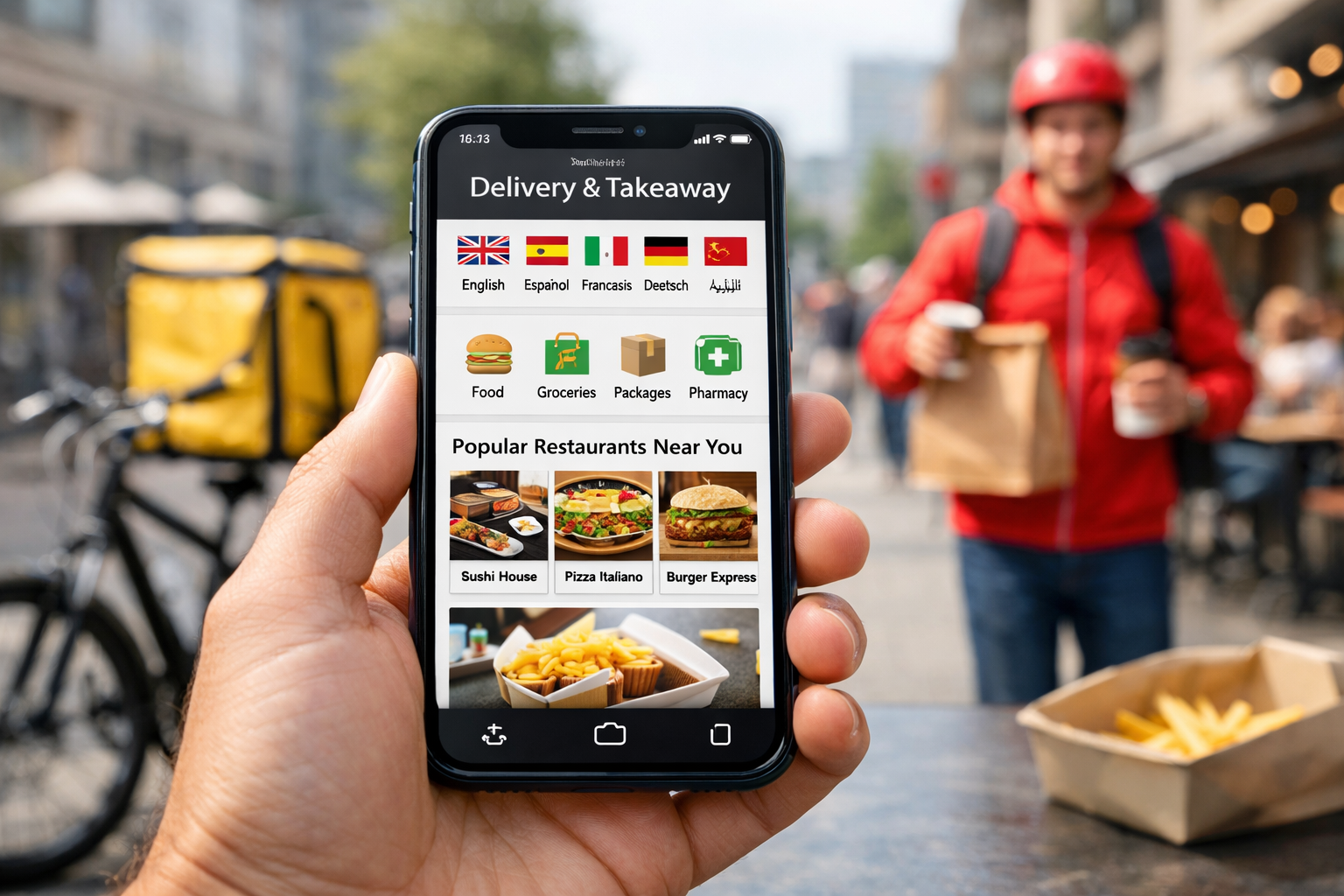
If your business plan includes launching in new countries, multilingual support should not be an afterthought—especially for delivery apps.
Delivery platforms operate in real-world, time-sensitive environments where clarity matters. Customers, drivers, and merchants all rely on clear instructions in their own language.
This is especially important for:
- Food delivery apps
- Grocery and pharmacy delivery
- Last-mile logistics platforms
- Local marketplaces with delivery
Launching a delivery app with only one language can slow adoption, increase support issues, and reduce order completion rates from day one.
4. Your Product Is Hard to Use Without Localization
Delivery apps and on-demand platforms depend heavily on speed, accuracy, and real-time actions.
For delivery platforms, poor localization can lead to:
- Wrong delivery addresses
- Missed or canceled orders
- Driver confusion
- Payment and checkout errors
Key areas that must be localized in delivery apps include:
- Customer ordering flow
- Driver and courier apps
- Merchant dashboards
- Notifications and tracking updates
In delivery businesses, language issues don’t just hurt UX—they directly impact revenue and operations.
5. Your Competitors Are Multilingual
If competitors already offer multiple languages, users will naturally compare.
Ask yourself:
- Are competitors ranking in local search results?
- Do they offer localized onboarding and support?
- Are they growing faster in international markets?
If the answer is yes, staying monolingual is a competitive risk.
6. You Want Better SEO and Organic Growth
Multilingual websites unlock new search markets.
Benefits include:
- Ranking for local keywords
- Appearing in country-specific search results
- Attracting high-intent users in new regions
Done correctly, multilingual SEO can drive long-term, low-cost growth.
When Is It Too Early to Go Multilingual?
You might want to wait if:
- You don’t have product–market fit yet
- Your core product is still unstable
- You can’t support users operationally in new regions
However, waiting does not mean ignoring localization completely. Planning early saves time later.
How to Go Multilingual Without Complexity
The biggest myth is that going multilingual is expensive and slow. Modern platforms make it possible to:
- Add new languages without rebuilding your product
- Manage translations from one dashboard
- Scale to new markets quickly
The key is choosing the right infrastructure.
The Best Time Is Earlier Than You Think
For delivery apps, waiting to go multilingual often means lost orders, higher support costs, and slower market adoption.
If your delivery platform is seeing international traffic, planning to launch in new cities or countries, or serving multilingual communities, the right time to go multilingual is now.
Instead of rebuilding later, successful delivery apps choose a scalable solution early.
Zeew is built to help delivery and logistics platforms launch and manage multilingual experiences without technical complexity. From customer apps to driver and merchant dashboards, Zeew makes global expansion easier.
Learn how you can scale your delivery app globally with Zeew