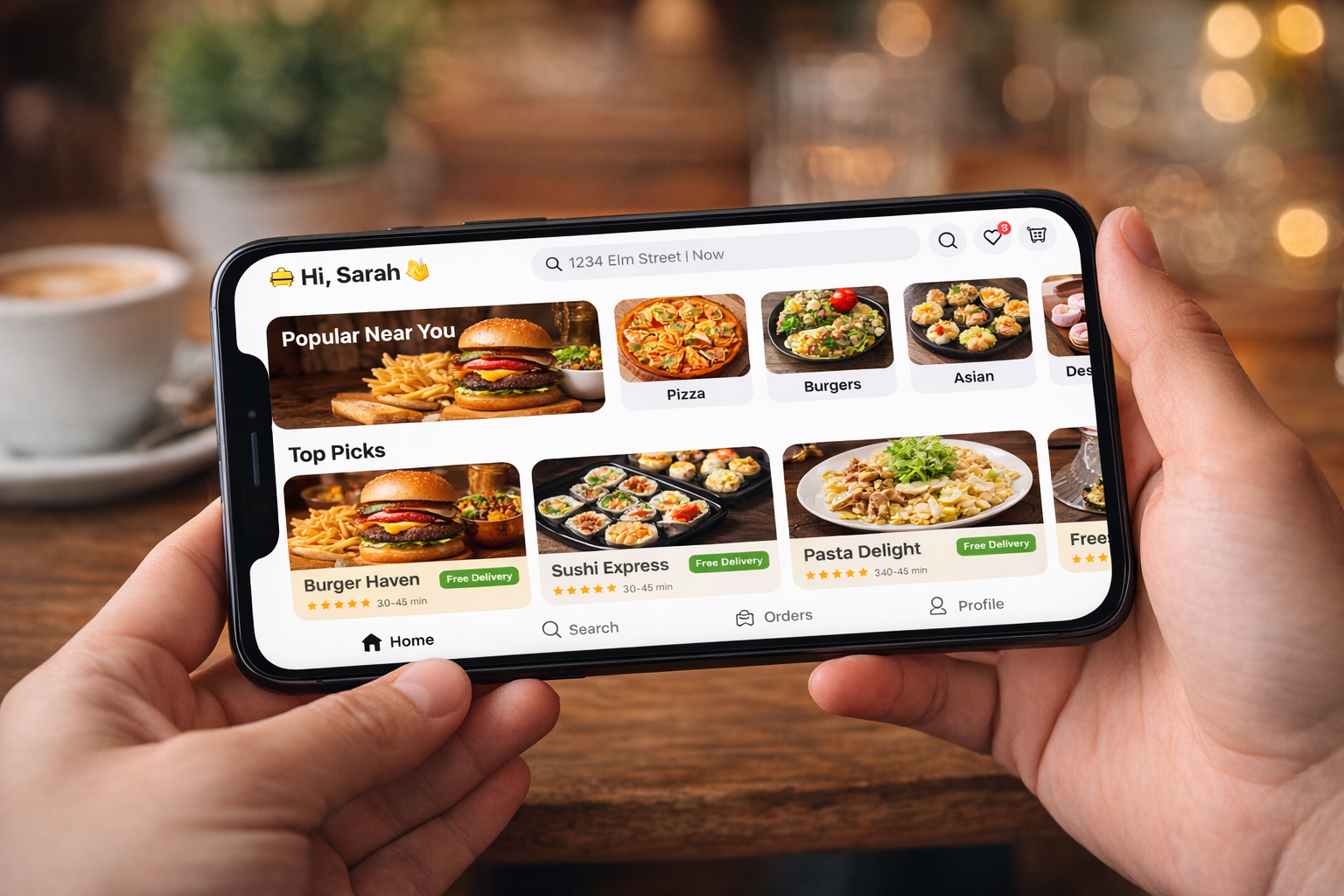
Launching a delivery app sounds exciting. Food, grocery, pharmacy, or on-demand services are growing fast.
But many first-time delivery app founders fail not because the idea is bad but because of avoidable mistakes.
In this article, we break down the most common mistakes new delivery app founders make, and how you can avoid them from day one.
1. Building the App Before Validating the Idea
One of the biggest mistakes is building the app first and asking questions later.
Many founders spend months (and a lot of money) developing an app without checking:
How to avoid it
Start small:
2. Trying to Compete With Big Marketplaces Too Early
New founders often try to compete directly with giants like Uber Eats or Deliveroo from day one.
This usually leads to:
-
High marketing costs
-
Low margins
-
Slow growth
How to avoid it
Focus on:
3. Underestimating Delivery Operations
Many founders think the app is the hardest part.
In reality, delivery operations are much more complex.
Common problems include:
-
Late deliveries
-
Poor driver management
-
No clear dispatch system
How to avoid it
Plan operations early:
4. Ignoring User Experience (UX)
A delivery app can fail even if it has many features — if it’s hard to use.
Common UX mistakes:
How to avoid it
Keep it simple:
-
Fewer clicks
-
Clear buttons
-
Fast checkout
5. Not Planning for Scale
Many delivery apps work well in one city but break when expanding.
Problems often include:
-
Slow performance
-
Manual processes
-
Poor vendor onboarding
How to avoid it
Think ahead:
6. Relying on Custom Development Too Much
Building everything from scratch sounds attractive, but it often causes:
-
Long development time
-
High costs
-
Ongoing technical issues
For first-time founders, this can slow everything down.
How to avoid it
Consider ready-made, white-label platforms that:
7. Forgetting Marketing After Launch
Many founders believe users will come automatically after launch.
They don’t.
Without marketing:
-
Vendors stay inactive
-
Customers don’t return
-
Growth stops early
How to avoid it
Plan marketing before launch:
Build Smarter, Not Harder
Most delivery app failures come from avoidable mistakes, not bad ideas.
First-time founders succeed when they:
Platforms like Zeew help founders avoid many of these mistakes by offering a ready-to-launch, scalable, white-label delivery solution ; so you can focus on growing your business instead of rebuilding it again and again.
If you’re launching your first delivery app, starting smart makes all the difference