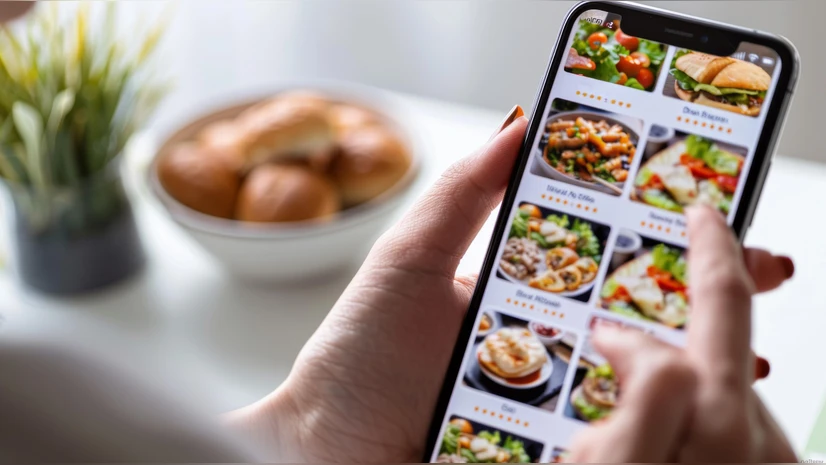
The delivery industry in the Middle East and Africa is growing faster than ever. More people are ordering food, groceries, medicine, and daily essentials through mobile apps. At the same time, businesses are shifting online to serve customers faster and reach more areas.
Here are the top trends shaping delivery apps in the MENA region today.
1. Fast Growth of Hyperlocal Marketplaces
Hyperlocal delivery apps—those serving a city or a specific area—are rising across the region.
Users now prefer platforms that focus on nearby stores because:
Cities like Dubai, Cairo, Nairobi, and Riyadh are seeing rapid growth in these small, community-based marketplaces.
2. Multi-Vendor Marketplaces Are Becoming the New Standard
Instead of launching a single-store delivery app, entrepreneurs are now launching multi-vendor apps. These allow:
-
Dozens of stores in one platform
-
Multiple delivery partners
-
More products and choices
-
Faster order fulfillment
This model is becoming popular because it grows revenue faster and attracts more customers.
3. Cashless Payments & Wallets Are Taking Over
MENA customers are moving quickly to digital payments, including:
-
Mobile wallets
-
Apple Pay & Google Pay
-
Card payments
-
Bank transfers
This shift is driven by convenience, safety, and incentives from banks and FinTech companies.
Delivery apps are now expected to offer multiple payment options inside the platform.
4. Real-Time Tracking Is No Longer Optional
Customers in the Middle East and Africa now expect:
Transparency builds trust, especially in crowded cities where traffic can delay orders.
5. AI and Automation Are Transforming Delivery
AI is now used across the delivery chain to:
This technology helps businesses save money and deliver faster.
6. Expansion Beyond Food Delivery
Food delivery is still big, but businesses now use delivery apps for:
-
Groceries
-
Medicine
-
Flowers
-
Cosmetics
-
Electronics
-
Pet supplies
Customers want “super apps” where they can order everything in one place.
7. Arabic & Local Language Support Is Essential
In MENA, users respond better to apps available in:
-
Arabic
-
French
-
Swahili
-
Amharic
Localized language attracts more customers and builds trust.
Businesses launching apps in Arabic specifically are seeing a higher conversion rate in the MENA region.
8. Fast Market Entry Through No-Code Platforms
More entrepreneurs are choosing no-code delivery platforms to launch faster and reduce costs.
This trend helps small businesses:
-
Avoid expensive development
-
Launch in a few days instead of months
-
Test ideas before investing big
-
Scale easily as they grow
No-code solutions are becoming the preferred way to build delivery marketplaces in the region.
The MENA Delivery Market Is Growing And You Can Be Part of It
The Middle East and Africa are becoming major hubs for delivery apps. With trends like hyperlocal marketplaces, multi-vendor platforms, AI automation, and no-code tools, it has never been easier to launch your own delivery business.
If you want to build a food, grocery, pharmacy, or multi-vendor delivery app, you can do it quickly using Zeew’s ready-made platform.
You get everything you need—store apps, driver apps, admin dashboard, payments, tracking, and more—without writing a single line of code.